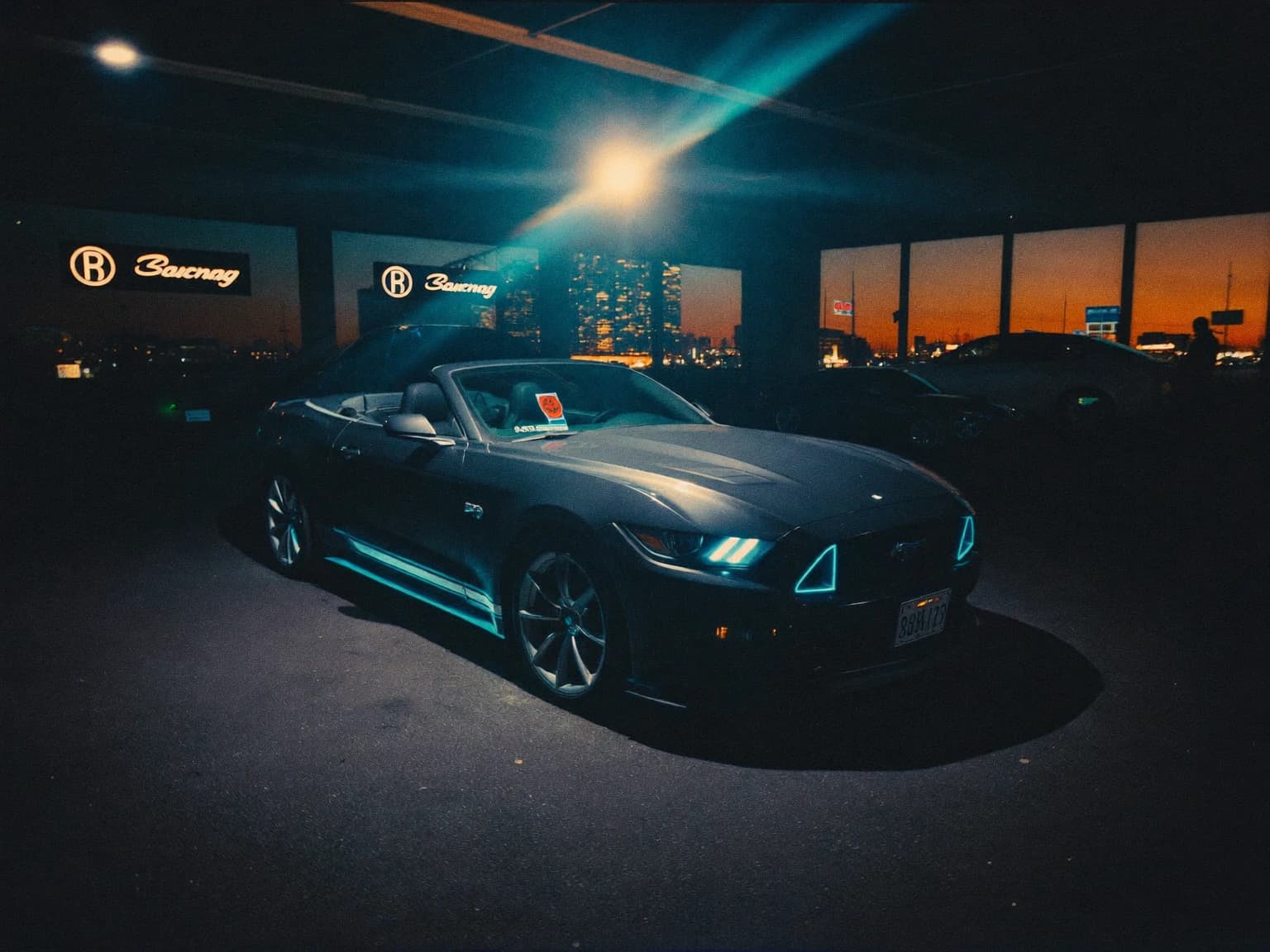
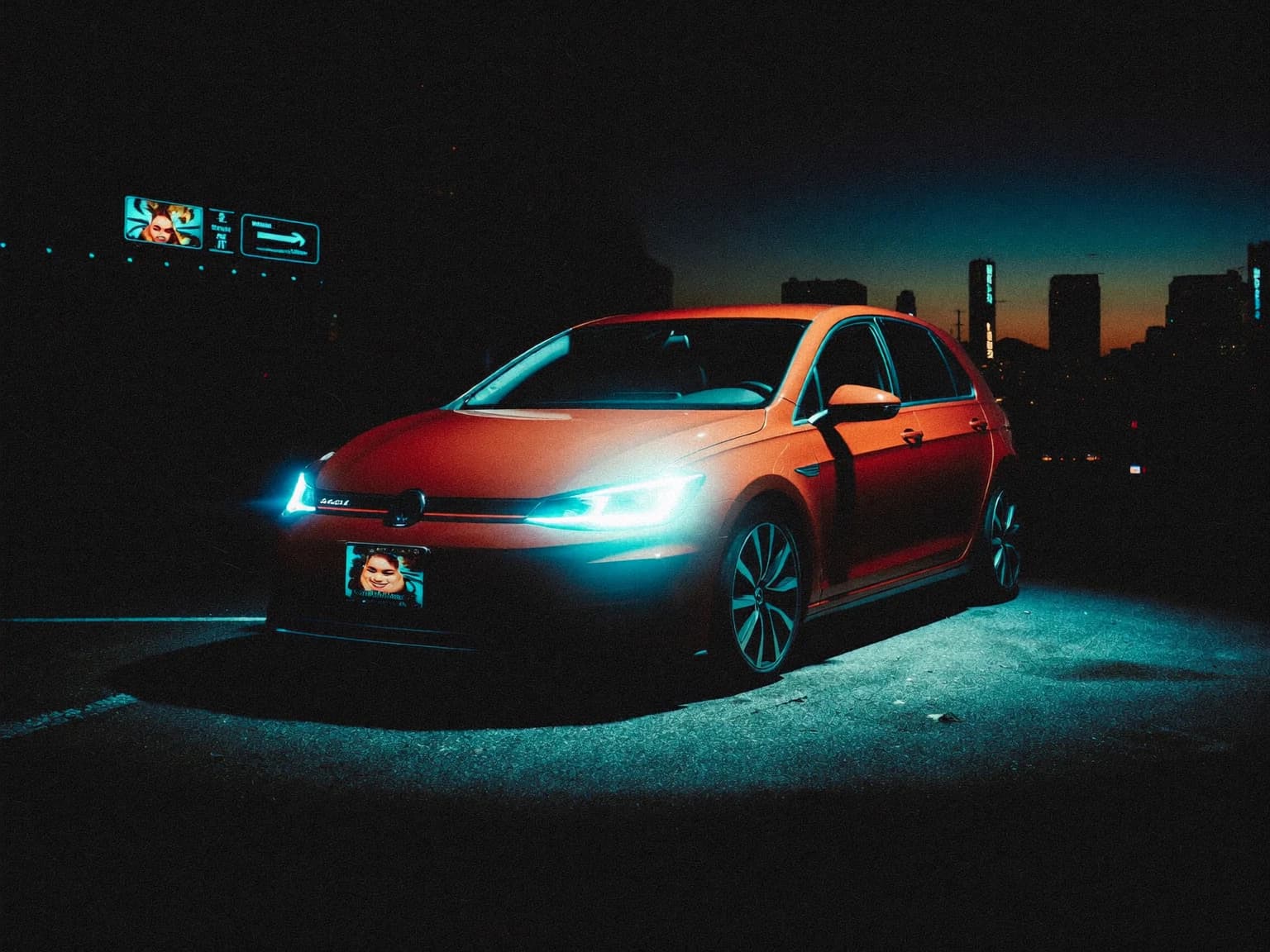
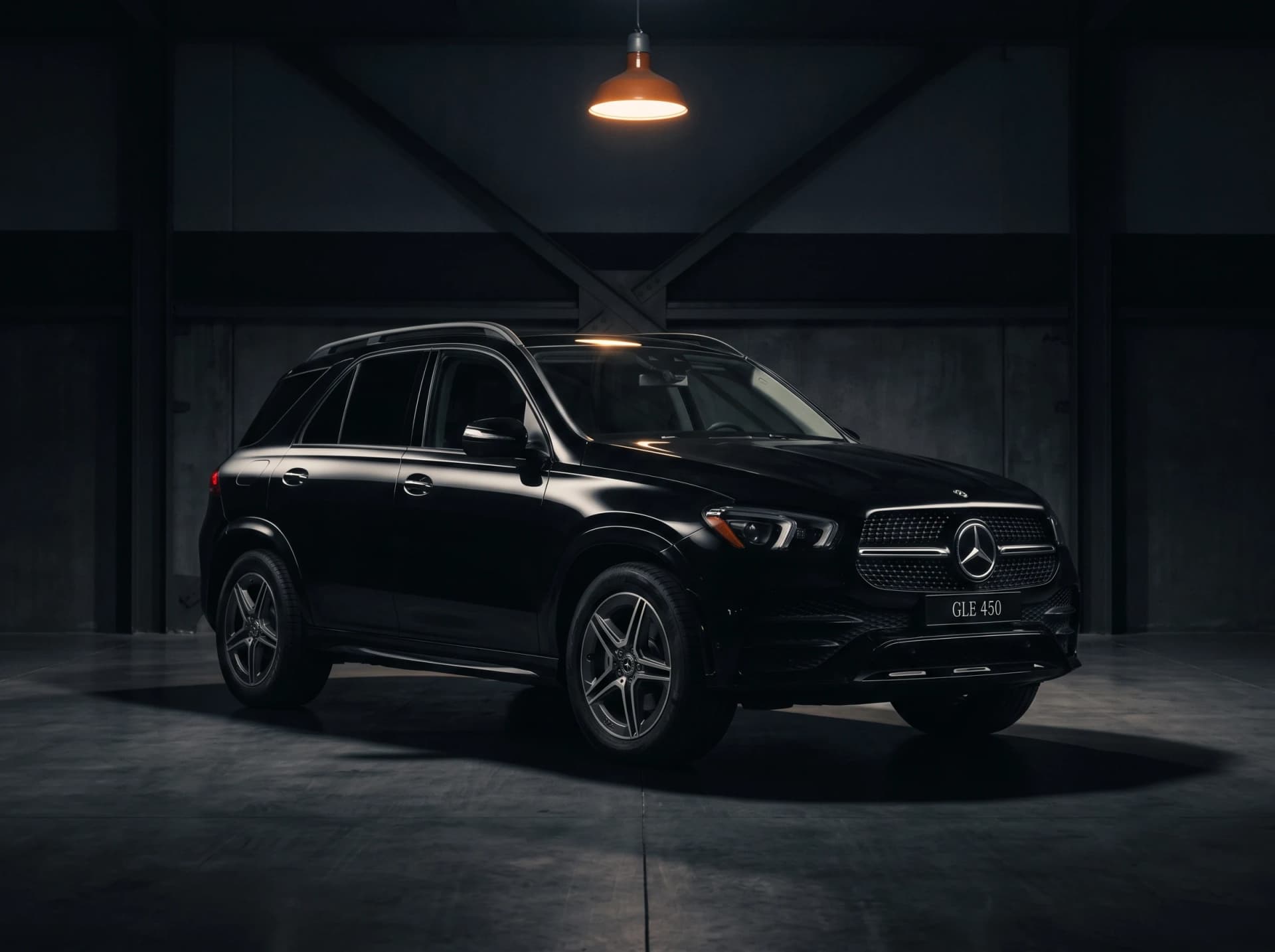
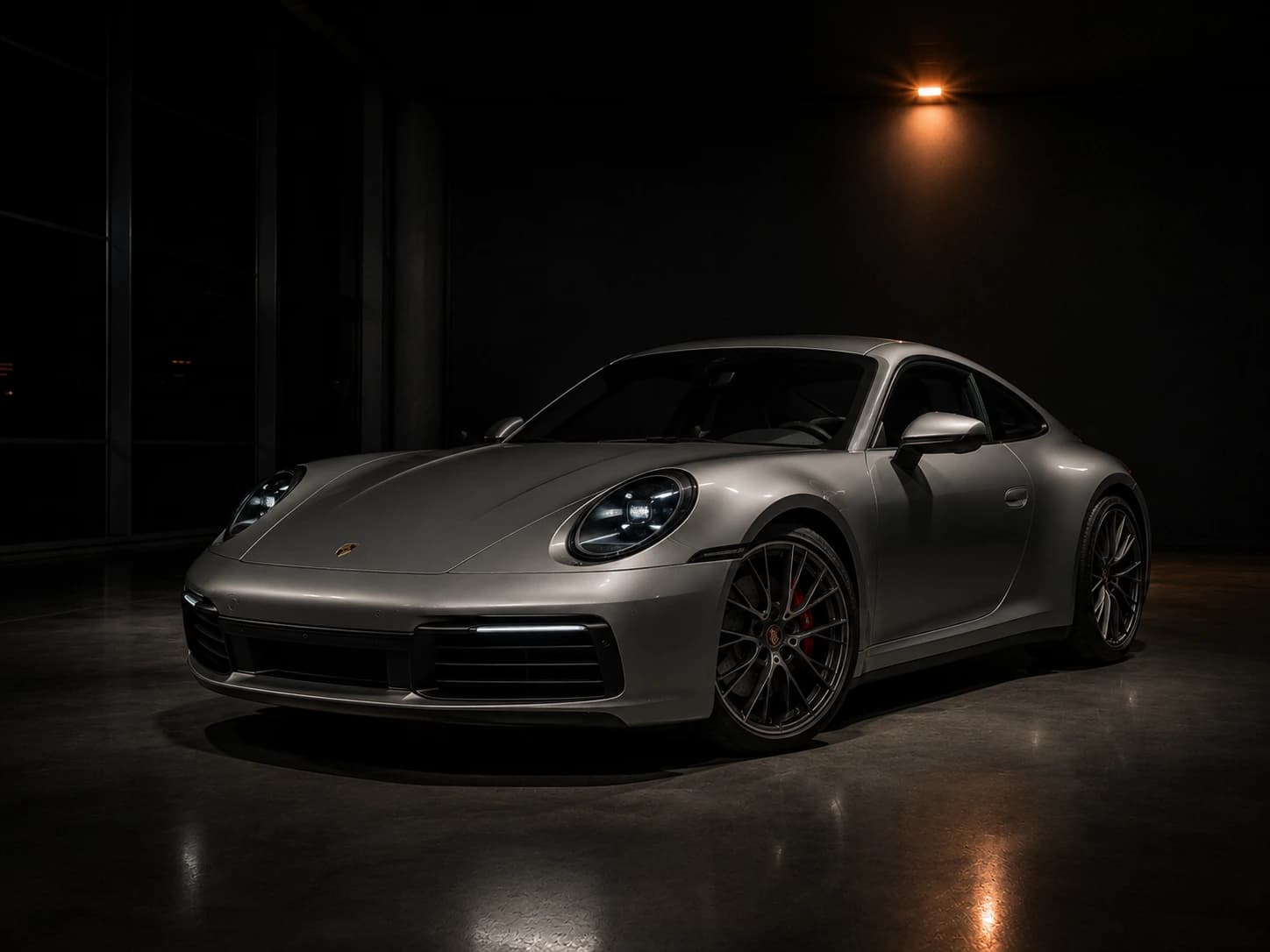
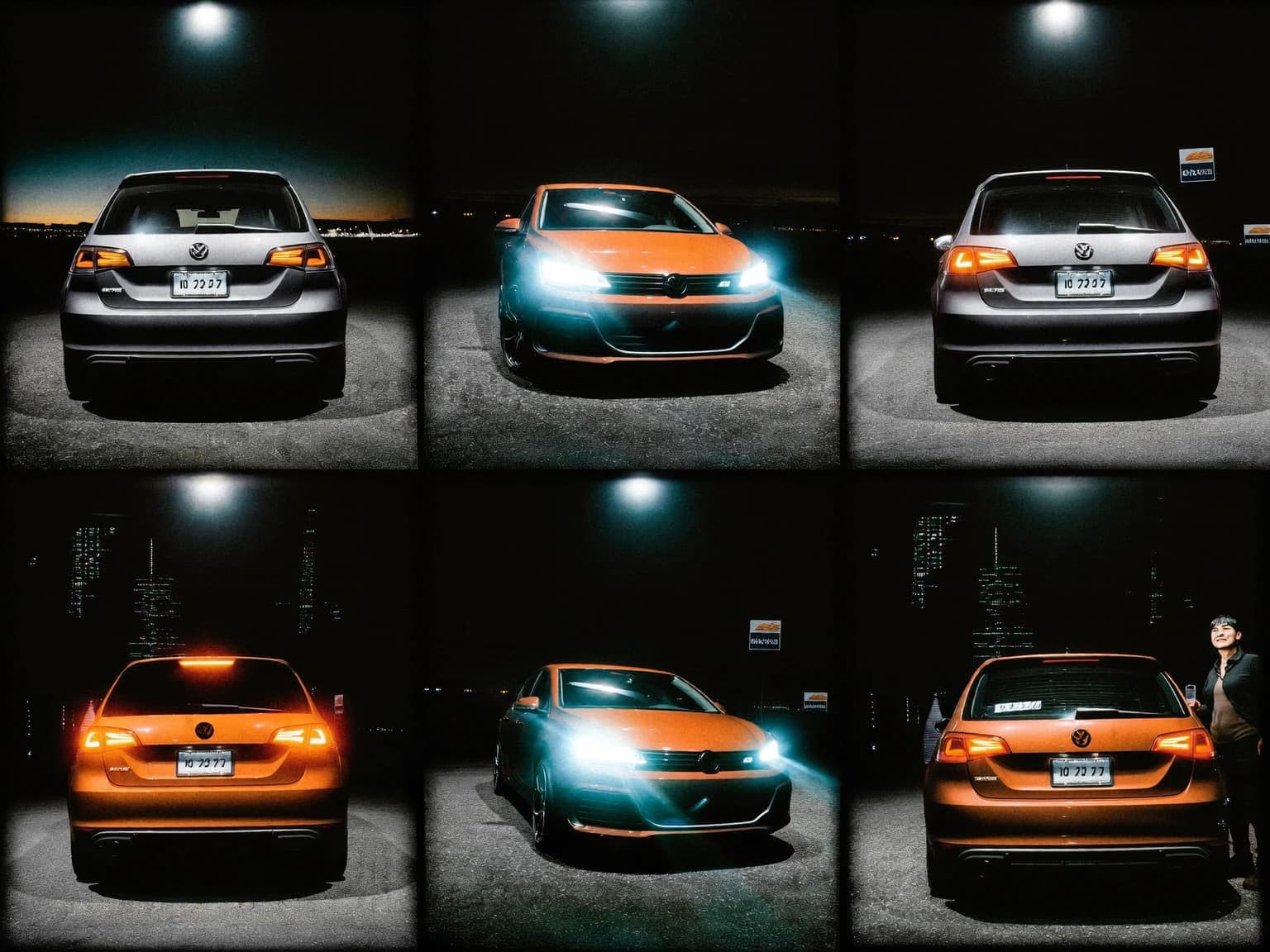
We publish the full two-hundred-point result with each listing: measurements, paint depths, and the faults we chose not to hide.
A two-hundred-point inspection is only worth something if you see the result. From this month, every listing carries the full report as a download: pad and disc measurements in millimetres, paint depth per panel, tyre dates, fluid tests, diagnostic codes and photographs of anything we found.
That includes the pages nobody enjoys publishing. If a rear quarter has been resprayed, the reading says so. If a bolster is worn or a wheel has kerb damage, it is photographed and listed. Our view is simple: you will find it eventually, and it is better for both of us that you find it before you pay.
A known fault has a price. An unknown one has a fear attached to it.
Nothing about the standard itself has changed — the same inspectors, the same checklist, the same ramp. What has changed is that the document now leaves the building with the car, and a second copy stays on file for the next owner after you.
Two months in, the effect has been the opposite of what we were warned about. Cars with disclosed faults are selling faster, not slower, because a known fault has a price and an unknown one has a fear attached to it.
From the story
Related stories

A second floor for Al-Bireh — twenty more cars under glass
Our Nablus Street showroom has grown upward rather than outward, adding a delivery lounge and twenty covered display bays.

Palestine's electric cars no longer need to leave for service
A dedicated high-voltage bay, insulated tooling and four certified technicians mean battery work now happens in Al-Bireh.
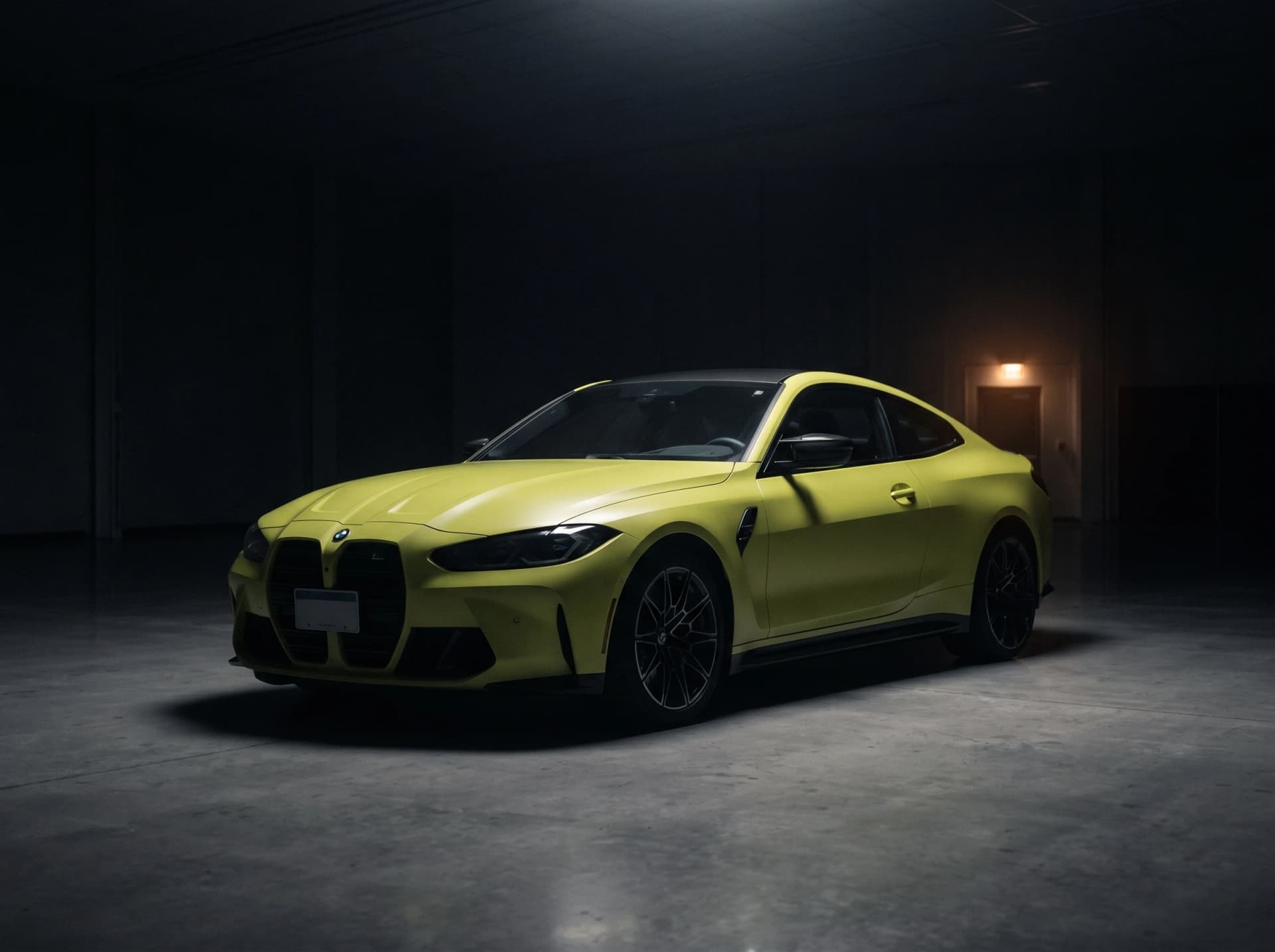
We ran the service tent at the Nablus hill climb
Two technicians, a full tool wall and forty-one cars through the tent in a single Saturday of amateur hill climbing.